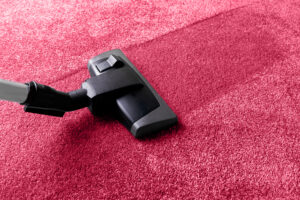

You walk across your carpet every day, but it is easy to forget how much it collects. Shoes bring in dirt, pets leave hair and dander, children spill snacks, winter road salt dries into fibres, and summer dust settles quietly into rugs and carpet. That is why area rug and carpet cleaning matters for Ontario homes, especially after a long Canadian winter.
For busy families and professionals in London, Ontario, carpet care can feel like one more task on an already full list. At Canada’s Cleaners, we know how frustrating it is when a room looks clean but still feels dusty, stale, or marked by old stains. This guide explains when to clean rugs and carpets, what to avoid, and when professional cleaning is worth it.
For local help with rugs and carpets, explore our professional carpet and rug cleaning service for Ontario homes.
Why Area Rug and Carpet Cleaning Matters
Carpet and area rugs do more than decorate a room. They absorb sound, add warmth, protect floors, and make a home feel comfortable. But they also act like large filters, collecting soil, dust, pollen, pet dander, crumbs, hair, and seasonal debris.
In Ontario, this buildup changes with the seasons. Winter brings road salt, slush, sand, and moisture. Spring brings mud and pollen. Summer brings dust, open windows, pets, and outdoor activity. Fall often brings leaves, damp shoes, and more time indoors.
Over time, soil can settle deep into carpet fibres. When people walk over it, tiny particles can act like sandpaper, wearing down the fibres and making carpet look dull. Stains can also become harder to remove when they sit too long.
Good carpet care is not only about appearance. It helps your home feel fresher, protects your flooring investment, and creates a cleaner space for family, guests, children, and pets.
How Often Should You Clean Area Rugs and Carpets?
Most homes should have carpets or frequently used area rugs professionally cleaned every 12 to 18 months. Busy households may need cleaning more often.
Use this practical guideline:
- Low-traffic rooms: every 18 to 24 months
- Living rooms and family rooms: every 12 months
- Homes with children: every 6 to 12 months
- Homes with pets: every 6 to 12 months
- Allergy-sensitive households: every 6 to 12 months
- Entryway rugs: every 3 to 6 months
- Dining room rugs: every 6 to 12 months, depending on spills
- After winter: clean if salt, sand, or moisture has built up
Vacuuming helps, but it does not replace deeper cleaning. A vacuum removes surface dust and loose debris. Professional cleaning can help remove embedded soil, stains, odours, and buildup that regular vacuuming cannot fully reach.
If your carpet looks flat, smells musty, feels dusty, or has visible traffic lanes, it may be time for a deeper clean.
Signs Your Rug or Carpet Needs Professional Cleaning
You do not always need to follow a strict calendar. Your home will usually show signs when rugs and carpets need attention.
The room smells stale
If a room smells musty or dusty even after vacuuming, the carpet or rug may be holding odours. This is common in homes with pets, humid summers, or winter moisture.
Traffic lanes look darker
Hallways, stairs, living rooms, and entryways often develop darker paths where people walk most. These areas collect soil, oils, and grit faster than low-use areas.
Stains keep coming back
Some stains wick back to the surface after home cleaning because residue remains deeper in the fibres. This can happen with coffee, juice, pet accidents, grease, and sugary spills.
Allergy symptoms feel worse indoors
Dust, pollen, pet dander, and other particles can settle into rugs and carpet. Cleaning may help reduce buildup as part of a broader home-care routine.
The carpet feels sticky or stiff
Too much detergent or improper home cleaning can leave residue. Residue can attract more dirt and make carpet feel unpleasant.
Your rug has not been cleaned in years
Even if it looks acceptable, a rug that has gone years without cleaning likely holds dust, soil, and odours deep in the fibres.
Area Rugs vs. Wall-to-Wall Carpet: What Is Different?
Area rugs and wall-to-wall carpet may look similar, but they often need different care.
Wall-to-wall carpet is installed across a room and usually has padding underneath. Cleaning must consider fibre type, backing, traffic patterns, moisture control, and drying time.
Area rugs may be made from wool, cotton, silk, synthetic fibres, jute, sisal, or blends. They may also have fringe, dyes, delicate patterns, or handmade construction. Some rugs can bleed colour or shrink if cleaned incorrectly.
Common area rug types include:
- Wool rugs
- Synthetic rugs
- Cotton rugs
- Persian-style rugs
- Handmade rugs
- Braided rugs
- Jute or sisal rugs
- Shag rugs
- Entry mats and runners
The safest method depends on the material. A wool area rug should not be treated the same way as a synthetic hallway runner. A delicate rug with fringe needs more caution than a standard nylon carpet.
When in doubt, check the label and ask before using home cleaners.
What You Can Do at Home Between Professional Cleanings
Good routine care can extend the life of rugs and carpet. It can also reduce the need for emergency cleaning.
Use this simple plan:
- Vacuum regularly
Vacuum high-traffic areas at least once or twice a week. Low-traffic rooms may need less frequent vacuuming. - Use entrance mats
Good mats at doors reduce dirt, salt, and moisture tracked into the home. - Remove shoes indoors
This is especially helpful during Ontario winters when shoes carry salt, sand, and slush. - Blot spills quickly
Use a clean white cloth. Blot from the outside inward. Do not rub aggressively. - Rotate area rugs
Rotate rugs every few months to even out sun exposure and traffic wear. - Keep rugs dry
Moisture trapped under rugs can create odour or damage flooring. - Check under rugs
Lift rugs occasionally to check for dirt, moisture, colour transfer, or floor marks.
These habits are simple, but they make a real difference over time.
For more common cleaning questions, Canada’s Cleaners also has a helpful FAQ page covering garment and household textile care.
Common Rug and Carpet Stains in Ontario Homes
Different stains need different treatment. The first step is to avoid panic cleaning.
Coffee and tea
Blot gently with a clean white cloth. Avoid rubbing. Tannin stains can become harder to remove if they sit too long.
Wine and juice
Blot immediately. Sugary drinks can leave residue that attracts more dirt later. Avoid hot water.
Pet accidents
Blot moisture quickly and avoid using strong-smelling products that may leave residue. Pet stains can affect both odour and colour.
Mud
Let mud dry first, then vacuum or gently brush away loose soil. Wet mud can spread if rubbed.
Grease and food
Lift solids carefully with a spoon or dull edge. Blot, but avoid adding too much water. Grease can sink into fibres.
Road salt
Let the area dry, then vacuum loose salt. If salt marks remain, professional cleaning may be safer, especially for wool rugs or dark carpet.
The rule is simple: blot first, avoid heat, and do not overuse household cleaning products. Too much product can leave residue that attracts dirt and makes the area look worse later.
What Not to Do With Rugs and Carpets
Many carpet problems come from well-meaning home treatment. The wrong method can set stains, damage fibres, or leave residue.
Avoid these common mistakes:
- Do not rub stains aggressively
Rubbing can damage fibres and spread the stain. - Do not over-wet carpet
Too much moisture can affect backing, padding, and drying time. - Do not use bleach
Bleach can remove colour and weaken fibres. - Do not mix cleaning chemicals
Mixing products can damage carpet and may be unsafe. - Do not use coloured towels
Dye from towels can transfer to carpet or rugs. - Do not ignore drying time
Damp carpet can develop odour or mildew. - Do not use one cleaner for every material
Wool, silk, jute, and synthetic fibres need different care.
If the rug is valuable, handmade, wool, silk, or heavily stained, professional advice is usually the safer choice.
When Professional Carpet and Rug Cleaning Is Worth It
Professional cleaning is worth considering when regular vacuuming no longer makes the room feel fresh, when stains are visible, or when the rug is too delicate to clean at home.
It is especially helpful if:
- Your carpet has traffic lanes
- You have pets or children
- You notice odours
- There are old or recurring stains
- You have allergy concerns
- Your rug is wool, delicate, or valuable
- Winter salt or mud has built up
- You are preparing for guests, moving, or selling a home
The honest trade-off is cost versus time, results, and protection. DIY spot cleaning can help with small fresh spills, but larger rugs and carpets often need better equipment, proper drying, and safer stain assessment.
Professional cleaning can also help you avoid replacing carpet or rugs too early. Keeping fibres clean reduces wear and helps rooms look brighter and better maintained.
Best Timing for Carpet Cleaning in London, Ontario
In London, Ontario, carpet and rug cleaning is useful year-round, but some times are especially practical.
Spring
Spring is ideal after winter salt, sand, slush, and closed-window season. It helps refresh the home after months of indoor living.
Summer
Summer is excellent for rug and carpet cleaning because homes often have better ventilation, and families prepare for guests, travel, or seasonal organizing.
Fall
Fall cleaning helps prepare the home before colder weather, holiday gatherings, and more time indoors.
After winter storms or heavy use
If a carpet or rug has been exposed to salt, moisture, pet accidents, or heavy traffic, do not wait for a specific season.
For many households, the best routine is a deeper clean once a year, with spot care and vacuuming in between.
A Simple Carpet Care Plan for Busy Families
If you want a routine that is easy to follow, use this plan:
- Vacuum high-traffic areas weekly
Focus on entryways, hallways, stairs, and living rooms. - Blot spills immediately
Use a clean white cloth and avoid rubbing. - Use mats at every entrance
This is one of the easiest ways to reduce dirt and salt. - Rotate area rugs seasonally
This helps prevent uneven wear and fading. - Book professional cleaning once a year
Increase frequency if you have pets, children, allergies, or heavy traffic. - Ask before treating delicate rugs
Wool, silk, jute, and handmade rugs need extra caution.
If you are unsure whether your rug or carpet needs cleaning, you can contact Canada’s Cleaners and ask about the safest next step for your home.
Cleaner Rugs Make the Whole Home Feel Fresher
Area rug and carpet cleaning is easy to postpone because rugs and carpets often fade into the background of daily life. But they collect everything your household brings in — dust, dirt, salt, spills, pet hair, odours, and allergens.
Cleaning your rugs and carpets at the right time helps protect fibres, reduce stale smells, improve the feel of your rooms, and keep your home more comfortable. You do not need to over-clean, but you should not wait until stains and odours become hard to ignore.
Success looks like a room that feels fresher, brighter, and easier to enjoy. Waiting too long can leave stains, traffic lanes, odours, and worn fibres that become harder to improve.
Bring your area rugs or ask about carpet cleaning support from Canada’s Cleaners in London, Ontario.
Learn more about our carpet and rug cleaning service before your next seasonal home refresh.
FAQ
How often should area rugs and carpets be cleaned?
Most carpets and frequently used area rugs should be professionally cleaned every 12 to 18 months. Homes with pets, children, allergies, or heavy traffic may need cleaning every 6 to 12 months. Entry rugs and high-use runners often need attention more frequently.
Can I clean a wool area rug at home?
Some light maintenance is safe, such as regular vacuuming and gentle blotting of fresh spills. However, wool rugs can shrink, bleed colour, or change texture if cleaned incorrectly. For wool, handmade, valuable, or heavily stained rugs, professional cleaning is usually safer.
Why do carpet stains come back after cleaning?
Stains can return when residue remains in the fibres or when moisture pulls deeper soil back to the surface as it dries. This is called wicking. Overusing soap or not rinsing properly can also attract new dirt, making the spot appear again.
Is summer a good time to clean carpets in Ontario?
Yes. Summer is a practical time for carpet and rug cleaning because homes often have better ventilation and families are refreshing rooms after winter and spring. It is also a good time before guests, travel, moving, or seasonal organizing.
What should I do right after a spill on carpet?
Blot the spill gently with a clean white cloth. Work from the outside inward and avoid rubbing. Do not use hot water, bleach, or random cleaners. If the stain is wine, coffee, grease, ink, or pet-related, professional advice may help prevent permanent damage.